The same investigation, presented with serif typography and a narrower reading column.
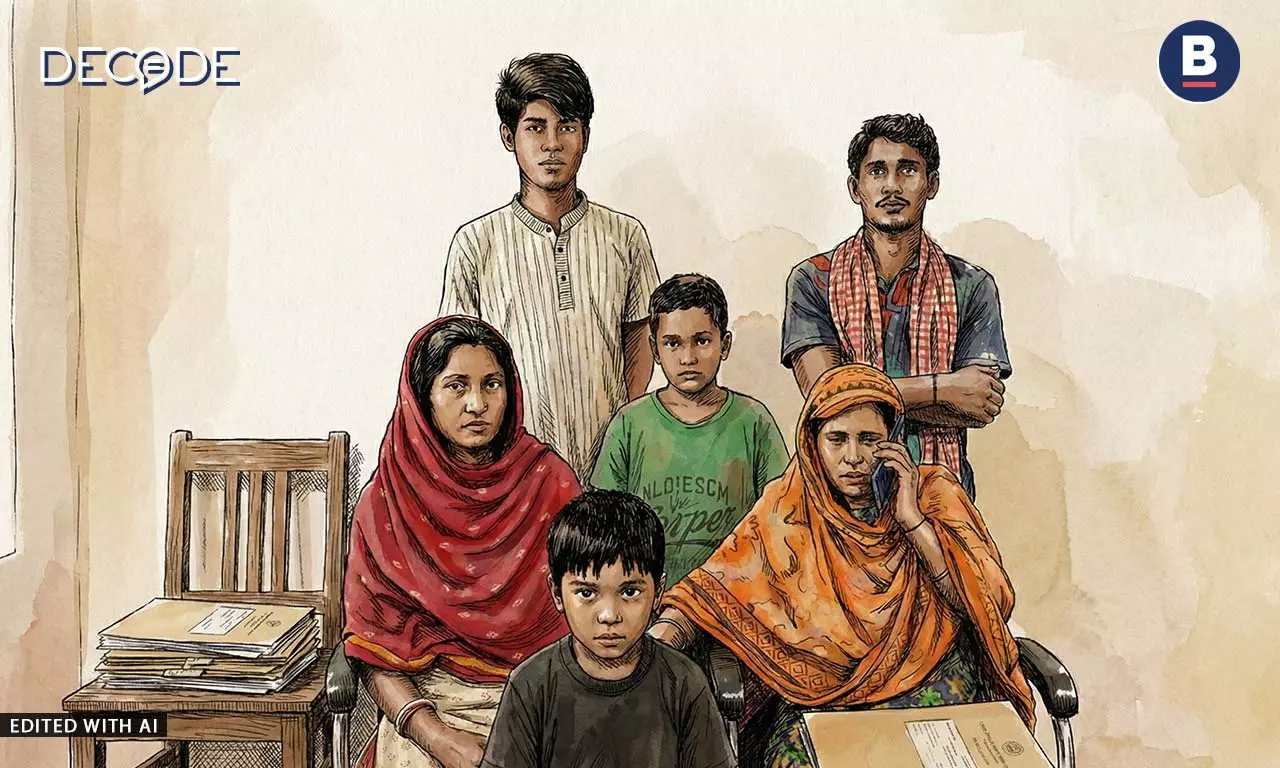
Sunali Khatun, an Indian citizen, was held in a Bangladeshi jail for five months after Indian authorities deported her without an inquiry. Her case, examined alongside at least a dozen others from West Bengal in 2025, suggests a deportation process that has stopped doing the verification it was designed to do.
How the case unfolded
She was picked up in a routine sweep and processed for deportation within five days. The paperwork was in English; the interview was in Hindi. No Indian authority cross-checked her name against the electoral roll she has been on since 2019, or the Aadhaar she has held since 2014. Her family learned where she was only after Bangladeshi officials, finding her documentation in order, allowed her one phone call home.
What the courts found
When the Calcutta High Court reviewed the case in September 2025, it called the procedure "compressed beyond recognition" and ordered the state to identify every similar removal in the past three years. Thirteen names came back. All thirteen carried Indian documentation.
Indian citizens are not supposed to be deported. That a process designed to remove non-citizens reached Sunali at all suggests one of two failures: a verification step that does not function, or a procedural step that has been removed. Both deserve a longer look than they have received so far.
Edited by Kabir Singh